★☆☆☆☆ Starter folds · 8 steps
The Flat-Bottom Sampan (A4 Paper Boat)
Published · By The Origami Desk
The paper boat that most people learn as a child is not made from a square. It is made from a rectangle, and that single fact is why it floats flat instead of tipping over.
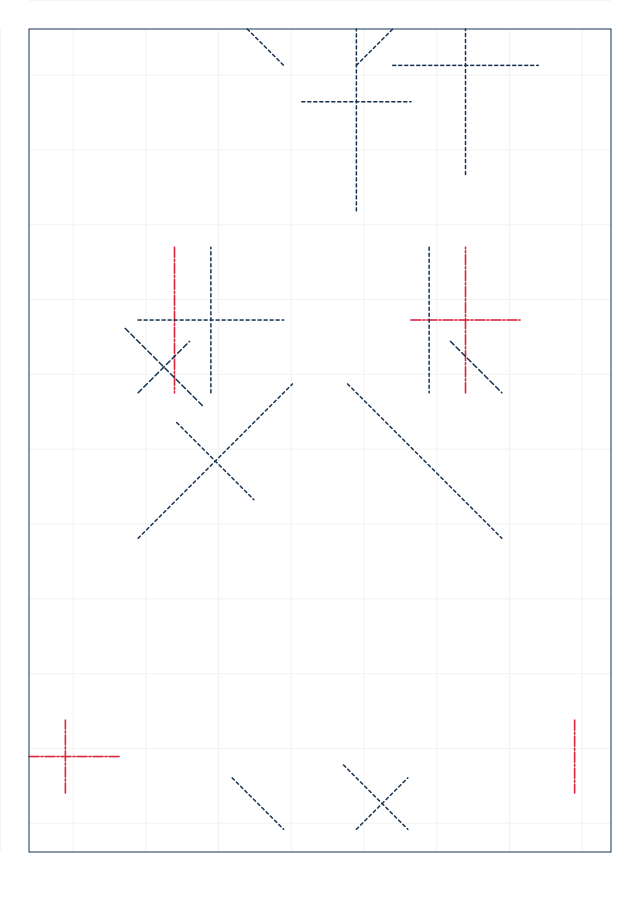
finished crease pattern
Fold sequence
8 / 8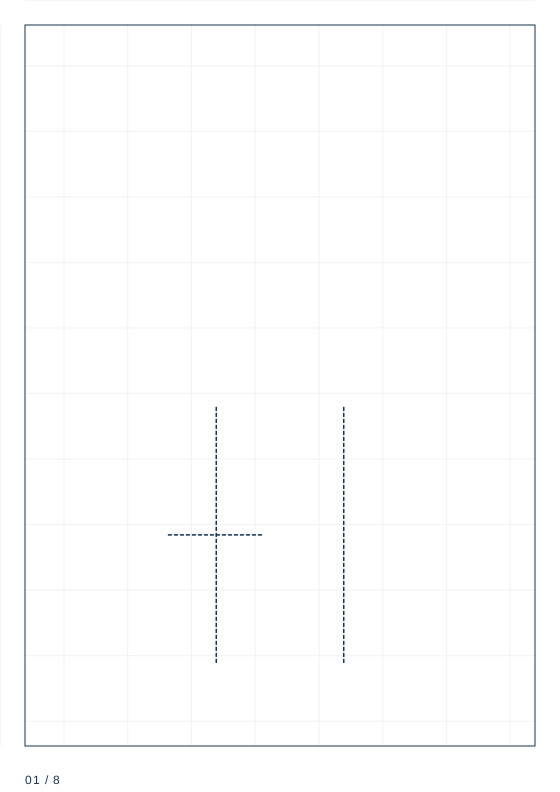
Step 1
Place the A4 sheet portrait, then fold it in half top edge to bottom edge. Crease hard and leave it folded.
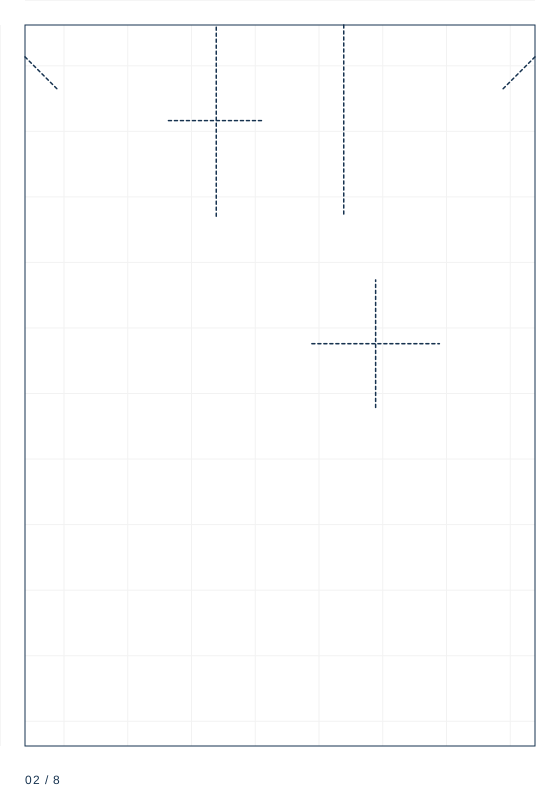
Step 2
Fold the folded packet in half left to right, crease, and unfold. You now have a centre line to work to.
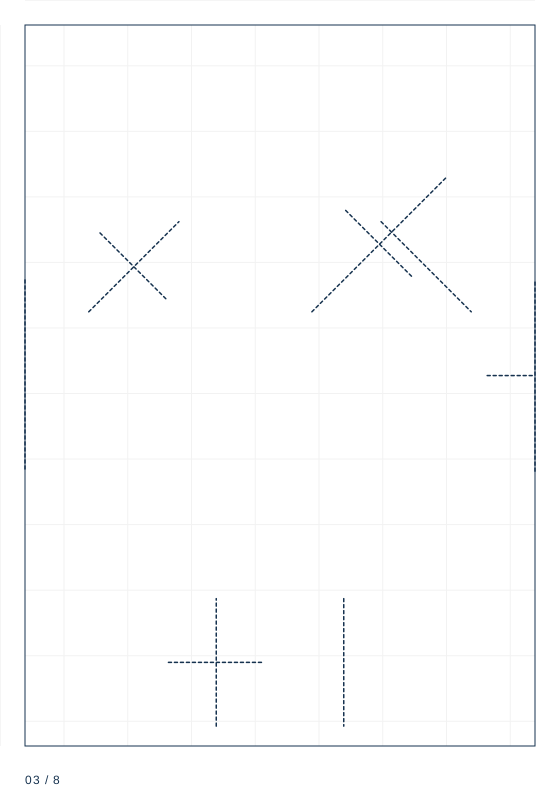
Step 3
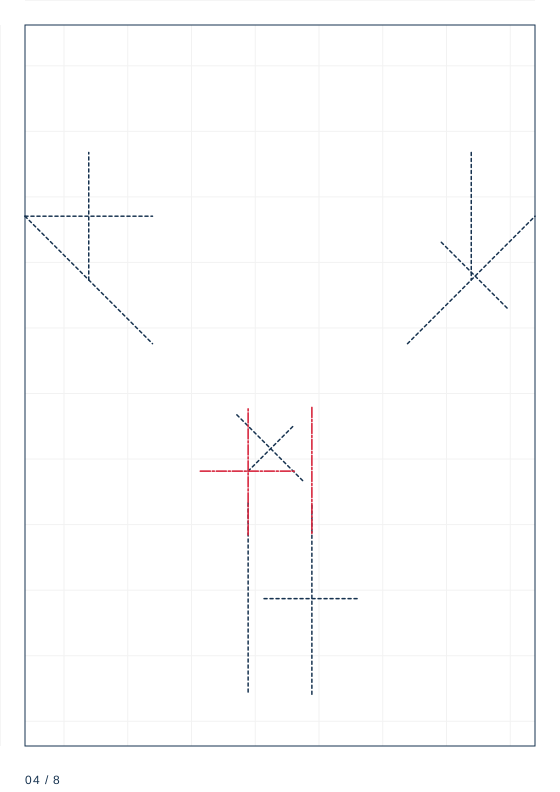
Fold both top corners down so their edges meet on the centre line. The top becomes a triangle sitting on a rectangular band.
Step 4
Fold the front band up over the triangle. Turn the whole thing over and fold the remaining band up the same way.
Step 5
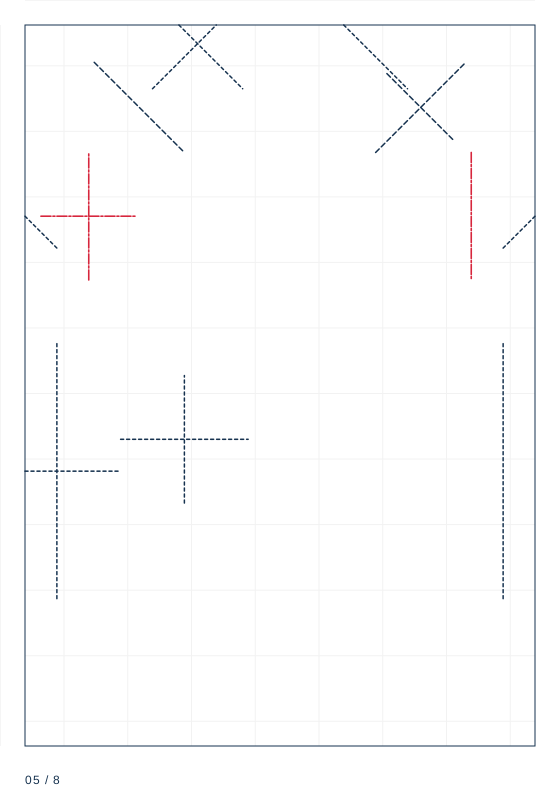
Tuck the two triangular ears on the left and right behind each other so the band locks shut.
Step 6
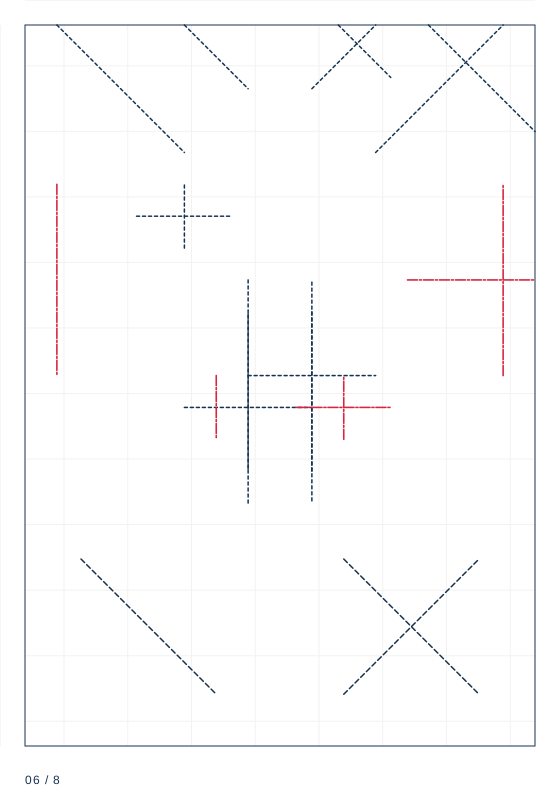
Open the packet from the bottom centre and squash it flat the other way, so the two points come together and you get a square.
Step 7
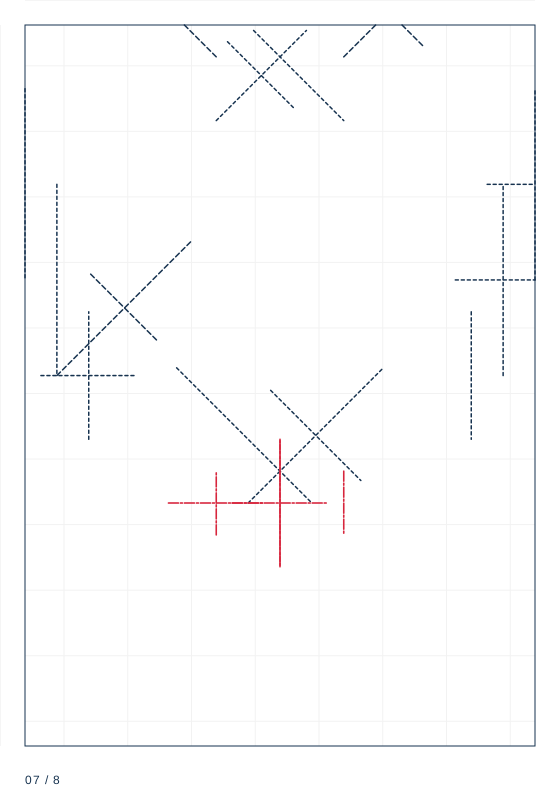
With the open end down, fold the front bottom corner up to the top point. Turn over and repeat on the back.
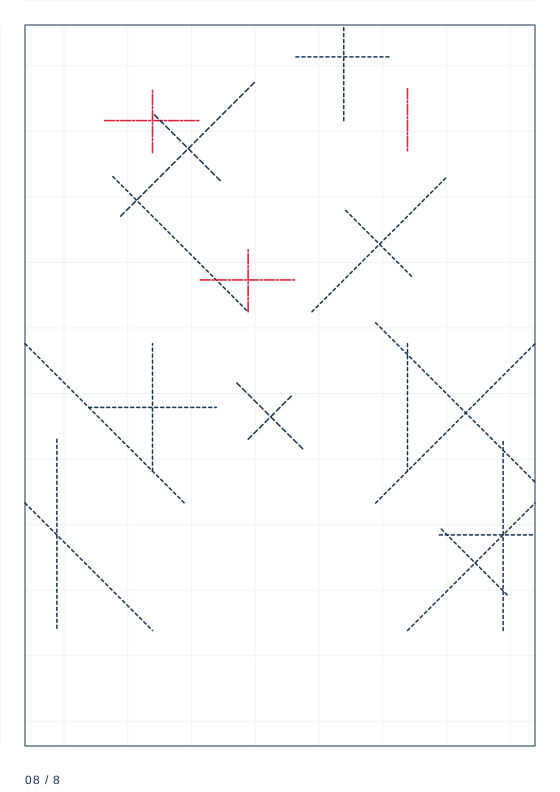
Step 8
Open from the bottom again and squash flat once more, then pull the two upper points apart. The hull drops open and the boat stands up.
Why the rectangle matters
A square boat has a keel that runs corner to corner, so the hull is deepest at one point and shallow everywhere else. A 1:1.414 rectangle folded long-edge to long-edge gives a hull with a constant waterline along its whole length. Measured on a 21 cm sheet, the finished boat is about 14.5 cm long and 5 cm across the beam.
The lock that keeps it open
Steps 5 through 8 are all about converting a flat packet into a rigid three-dimensional hull. The two triangular corner tabs folded behind each other in step 5 are the actual structure: without that tuck, the boat unfolds itself the moment you pull the gunwales apart. Fold them with a firm thumbnail and you can float the boat for a full afternoon before the paper wicks through.
Water and coating
Untreated 80 gsm paper absorbs water along the cut edges within about 90 seconds. If you want a boat that lasts, either wax the outside with a candle stub and buff it, or fold it from 100 gsm tracing paper and accept a stiffer, less crisp fold. Do not laminate: plastic film prevents the fibre from locking and the hull springs open.
Paper specification
| Sheet size | 21 cm |
|---|---|
| Sheet ratio | 1:1.414 |
| Paper weight | 80 gsm |
| steps | 8 |
| Difficulty | ★☆☆☆☆ |
| Base | rectangle-hull |
One sheet of A4 in portrait. 80 gsm office paper holds the hull; 70 gsm collapses when it gets wet from handling.
Crease symbol quick reference
| Crease notation used | count | first move |
|---|---|---|
| Valley fold | 6 | Bring the edge or corner exactly to its target point and hold it there. |
| Reverse fold | 2 | Open the point along its existing crease, all the way to the base. |
| Squash fold | 2 |
What goes wrong
The boat will not stay open
Step 5 was skipped or the ears were tucked in front instead of behind. Redo it: each ear must cross under the other one.
The hull is lopsided
The centre crease in step 2 drifted. Unfold to the rectangle in step 1 and re-mark the centre with a ruler.
Making it hold
- Crease every fold with a thumbnail or a bone folder, not with a soft finger pad.
- Keep the centre line visible; every corner fold references it.
- Pull the last two points apart slowly, from the inside, or the band tears at the tuck.