★★★★☆ Modular · 9 steps
Sonobe Cube (Six Units)
Published · By The Origami Desk
The Sonobe module is the most-folded unit in the world: one parallelogram, six copies, no glue. It is also the least forgiving modular model, because the six units only lock when they are identical.
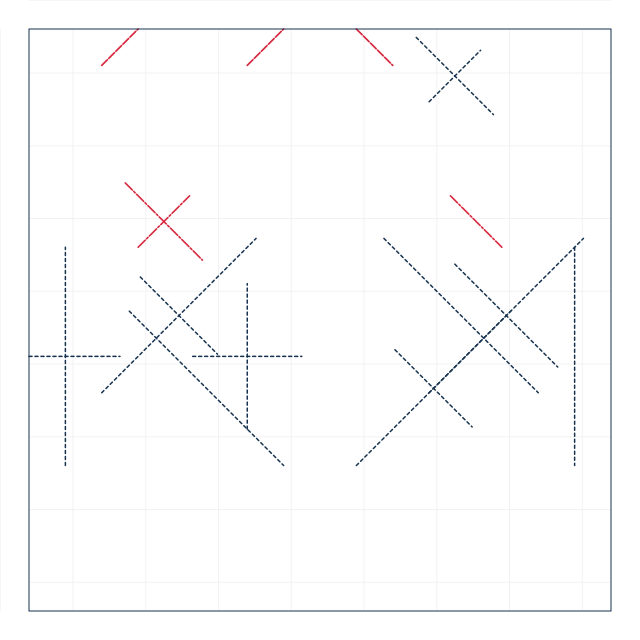
finished crease pattern
Fold sequence
9 / 9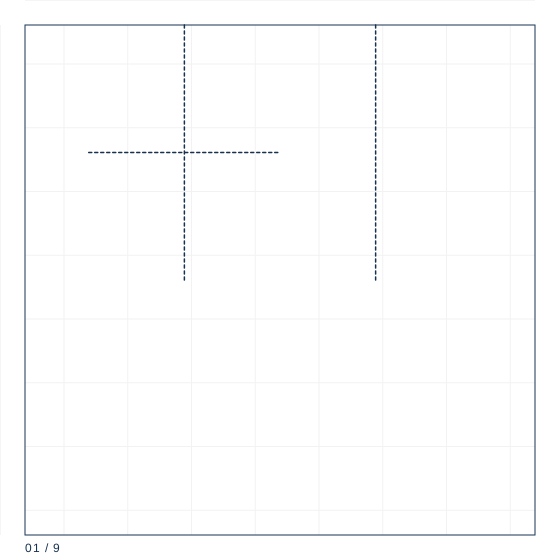
Step 1
Unit 1: square 10 cm, coloured side up. Fold the square in half side to side and unfold.
Step 2
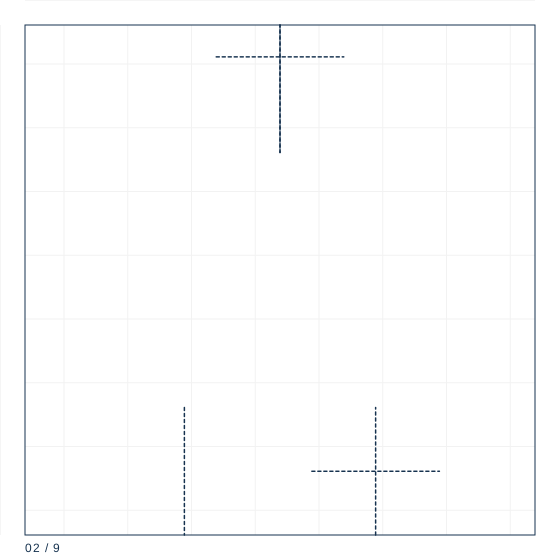
Fold the top and bottom edges in to the centre line. The sheet is now a strip.
Step 3
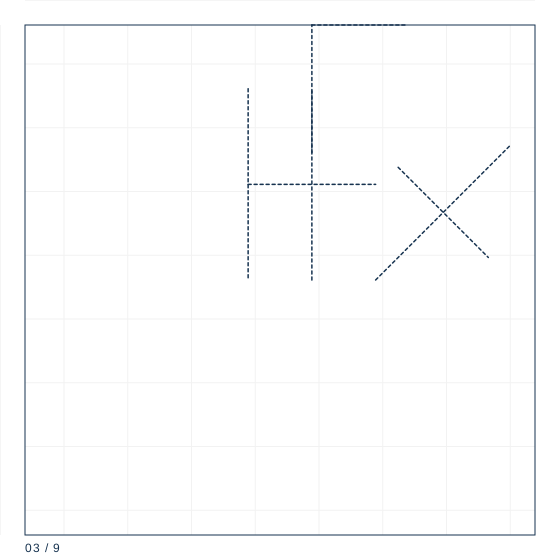
Fold the left and right edges in to the centre line, then unfold both.
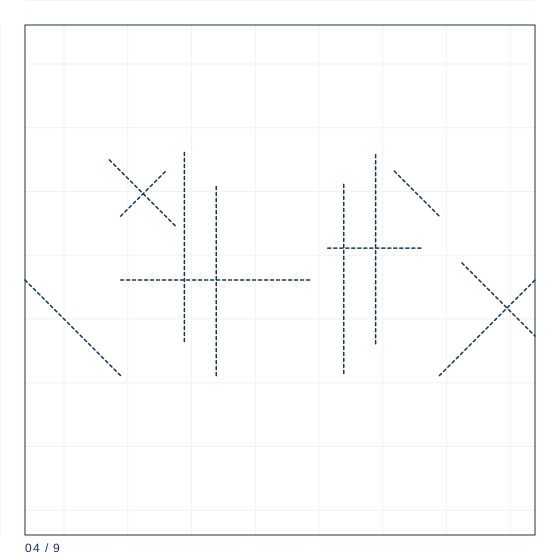
Step 4
Fold the bottom-left corner up so its edge lies along the vertical centre line — a 45 degree crease.
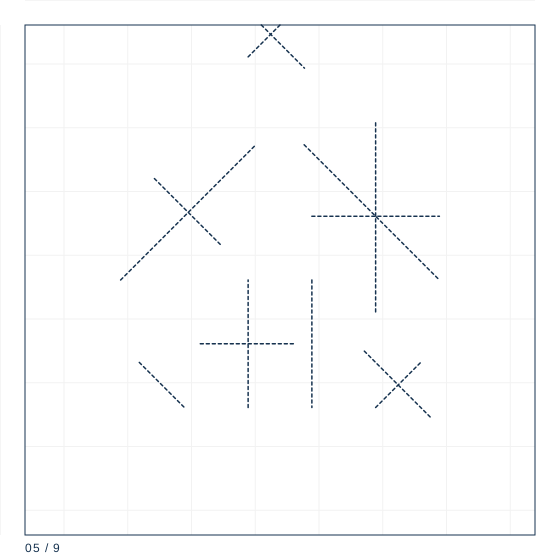
Step 5
Fold the top-right corner down the same way, so its edge also lies along the centre line.
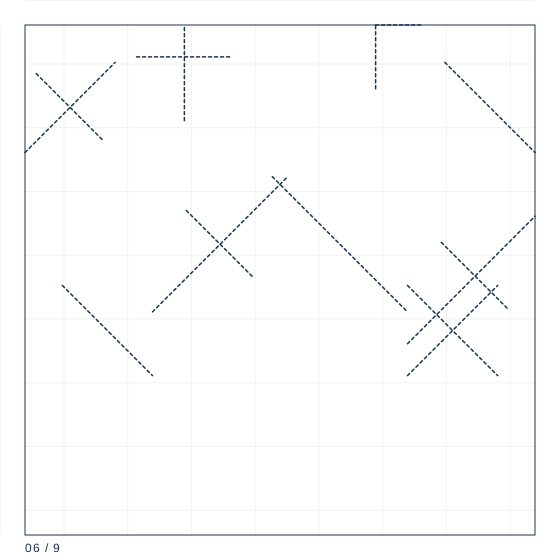
Step 6
Fold the bottom edge up to the centre line and press, then fold the top edge down.
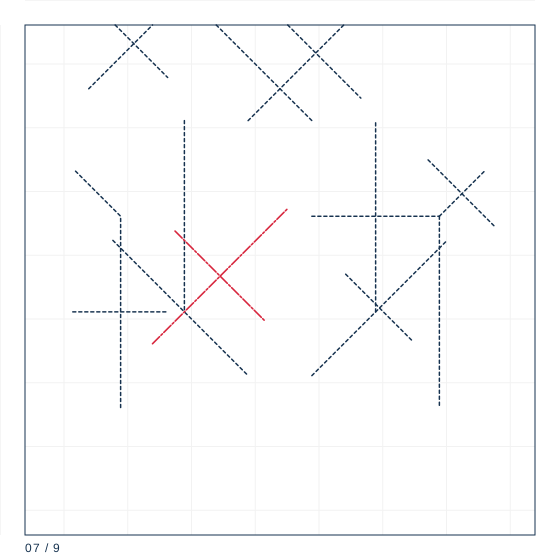
Step 7
Tuck the two triangular flaps into the pockets formed by step 6, forming a parallelogram.
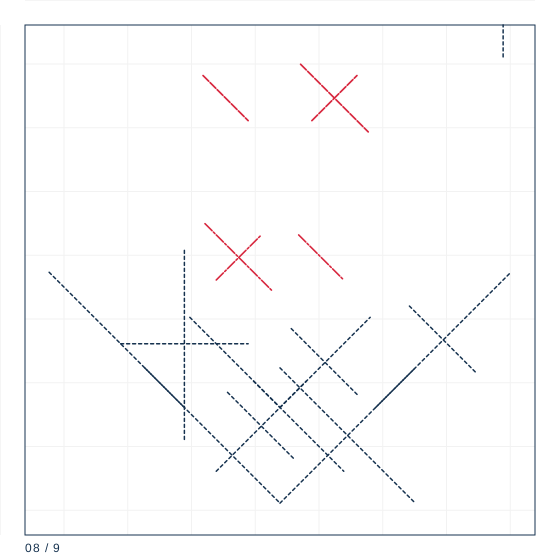
Step 8
Repeat steps 1 to 7 with five more squares so you have six identical units.
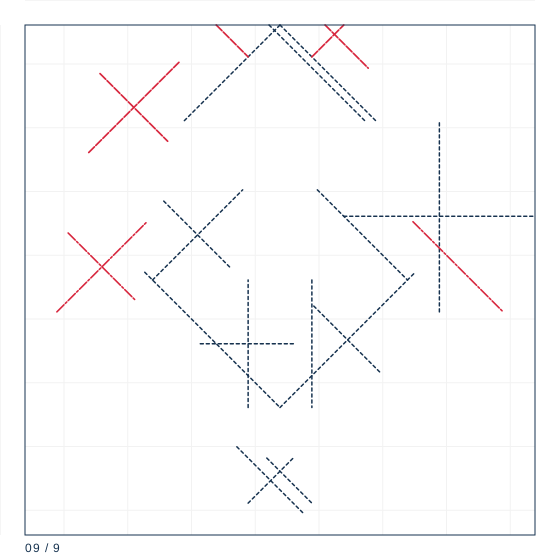
Step 9
Assemble three units into a pyramid, build a second pyramid, then slide the flaps of one pyramid into the pockets of the other. The join is tight; ease it rather than forcing it.
One unit, four creases
The module is a square folded into a parallelogram with two triangular flaps. Every unit takes about 40 seconds. The critical folds are the two diagonal creases in steps 4 and 5: they must meet the edge at exactly 45 degrees. A degree of error in each of six units compounds into a cube that will not close on the last face.
Assembly order
The cube goes together in threes: first a pyramid of three units, then a second pyramid, then the two pyramids joined by sliding the flaps of one into the pockets of the other. The join is always the last step and it always feels too tight. If it resists, do not force it — one flap is trapped outside instead of inside, and forcing it creases the module permanently.
Sizes and variations
From 10 cm squares the cube is 7.4 cm on a side and weighs 4.2 g. From 15 cm squares it is 11 cm and is a satisfying desk object. The same module assembles into a 12-unit octahedron, a 30-unit icosahedron and a 90-unit sphere, and the counting rule is always the same: three units meet at every vertex, so the number of units is three times the number of vertices.
Paper specification
| Sheet size | 10 cm |
|---|---|
| Sheet ratio | 1:1 |
| Paper weight | 80 gsm |
| steps | 9 |
| Difficulty | ★★★★☆ |
| Base | modular-6 |
Six 10 cm squares at 80 gsm, in three colours in pairs. The cube is held only by the flaps, so all six units must be the same size to the millimetre.
Crease symbol quick reference
| Crease notation used | count | first move |
|---|---|---|
| Mountain fold | 2 | Locate the line on the diagram; confirm the direction by looking at the adjacent valley folds. |
| Valley fold | 6 | Bring the edge or corner exactly to its target point and hold it there. |
| Reverse fold | 1 | Open the point along its existing crease, all the way to the base. |
What goes wrong
The last face will not close
One unit is a little larger than the rest. Compare all six against each other and refold the odd one out.
The join creases a flap
Forcing. Unfold the join, check that every flap is inside a pocket, and ease it in.
Making it hold
- Check every unit against the first one; a millimetre of difference shows up at the last join.
- The two 45 degree creases in steps 4 and 5 are the ones that must be exact.
- Assemble in two pyramids of three and join them last.