★★★★☆ Advanced · 10 steps
Flapping Bird (Wings Move When You Pull the Tail)
Published · By The Origami Desk
The flapping bird is the crane with one fold changed: the wings are mounted on a hinge instead of being locked flat. Pull the tail and the wings beat; it is the oldest moving origami model in continuous tradition.
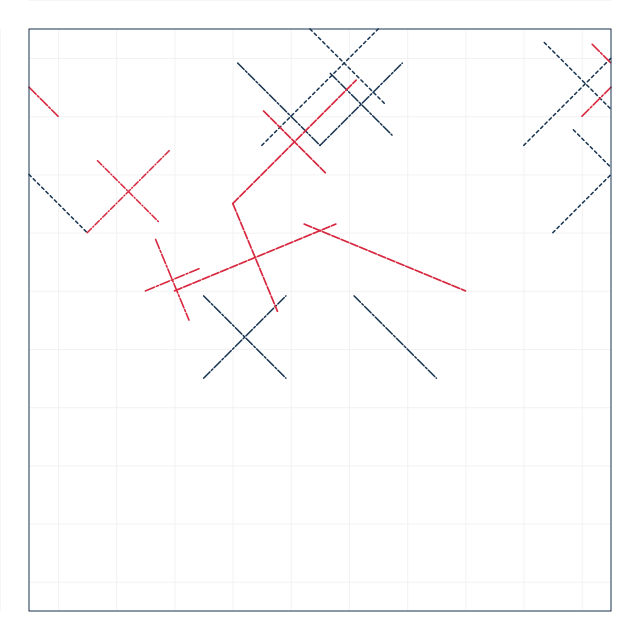
finished crease pattern
Fold sequence
10 / 10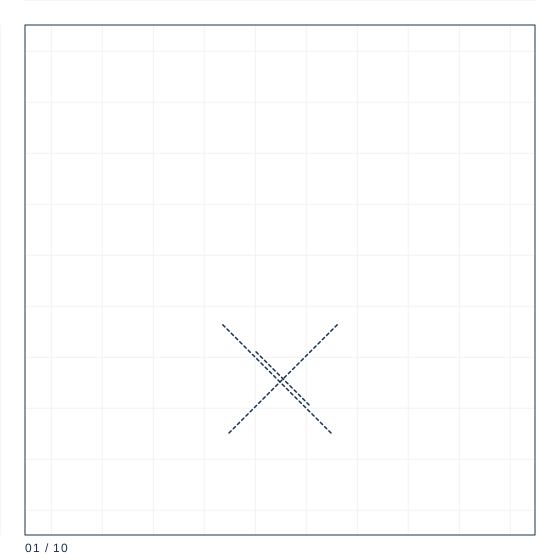
Step 1
Square 18 cm. Fold both diagonals and both centre lines, then collapse onto the preliminary base.
Step 2
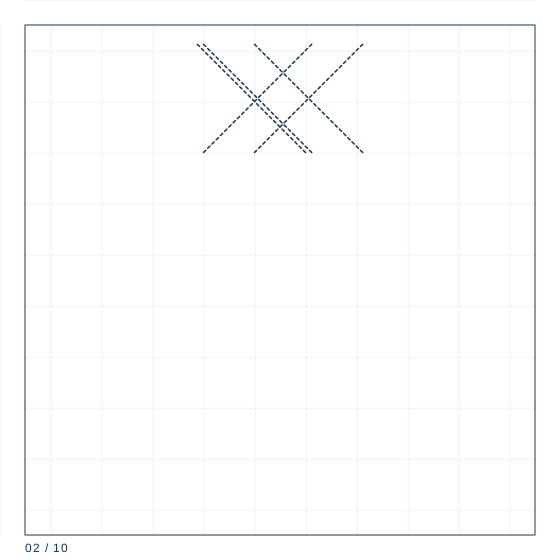
Fold the lower edges of the front layer in to the centre line, then petal fold the front layer flat.
Step 3
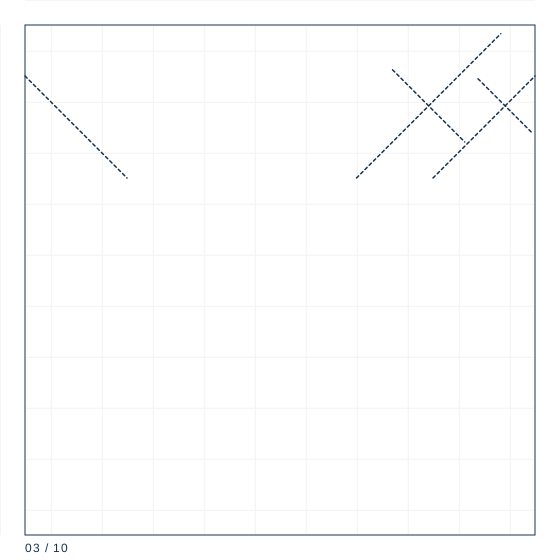
Turn over and repeat step 2 on the back. You have a bird base.
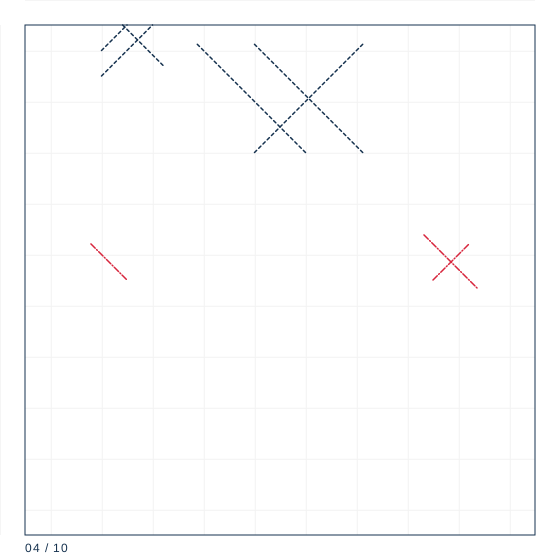
Step 4
Inside reverse fold the front point up at 4 cm from its base to form the head, and the back point up at 5.5 cm to form the tail.
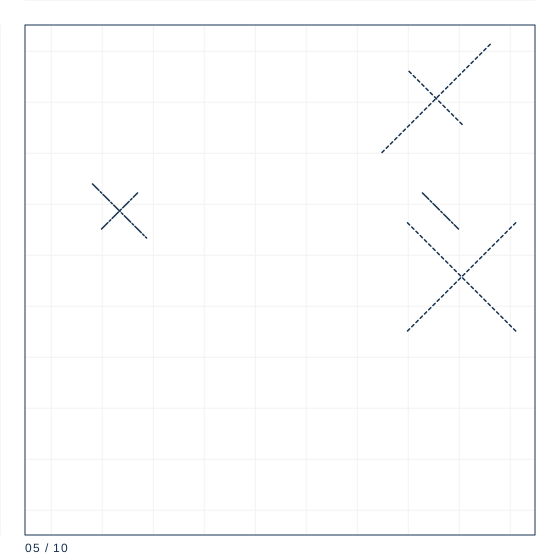
Step 5
Bend the head tip down 6 mm to form the beak.
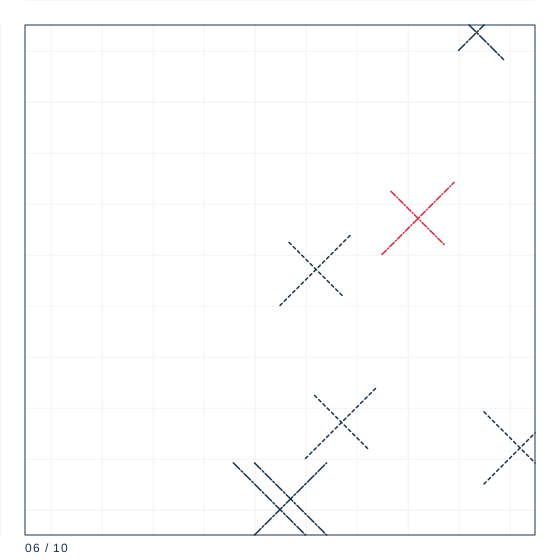
Step 6
Thin both wings by folding the outer edges in to the wing centre lines, working from the tip inward.
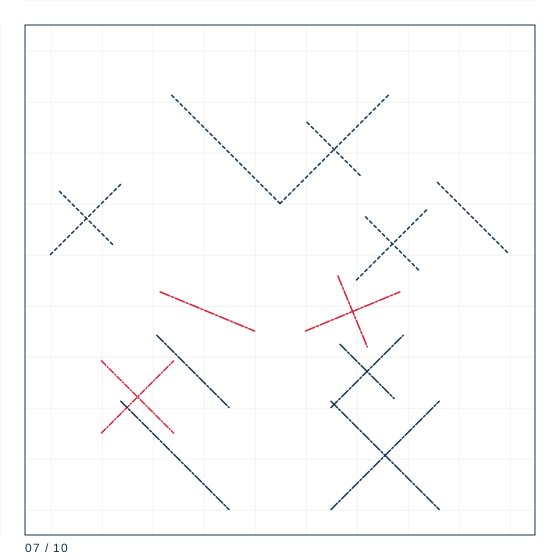
Step 7
Open the wings up to horizontal and check that the two are the same size.
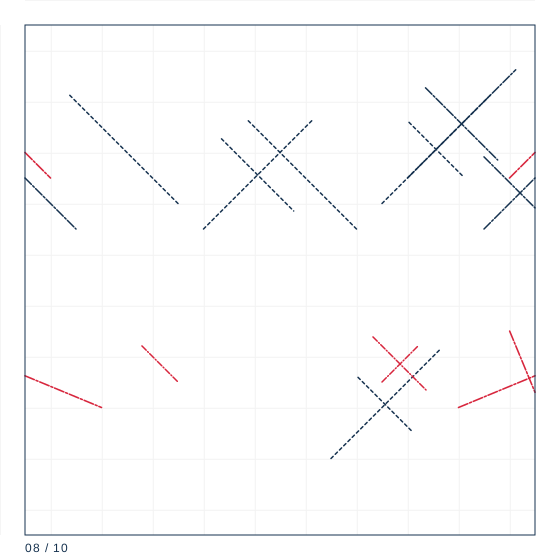
Step 8
Fold both wings down toward the body, but stop 15 degrees short of flat. Do not crease the hinge hard.
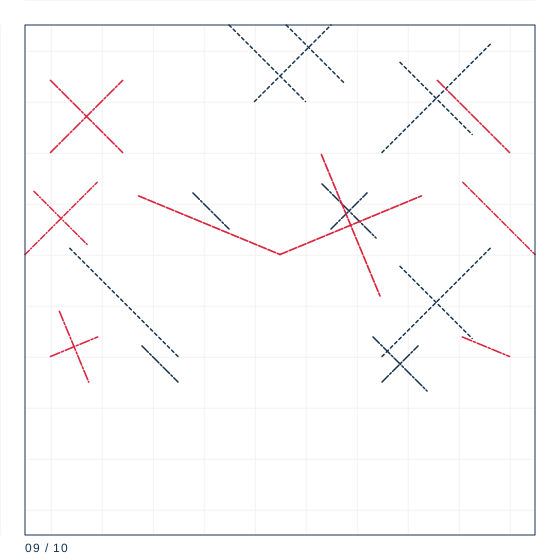
Step 9
Pinch the body between thumb and forefinger just behind the wings, then ease the hinge open and shut a few times to loosen it.
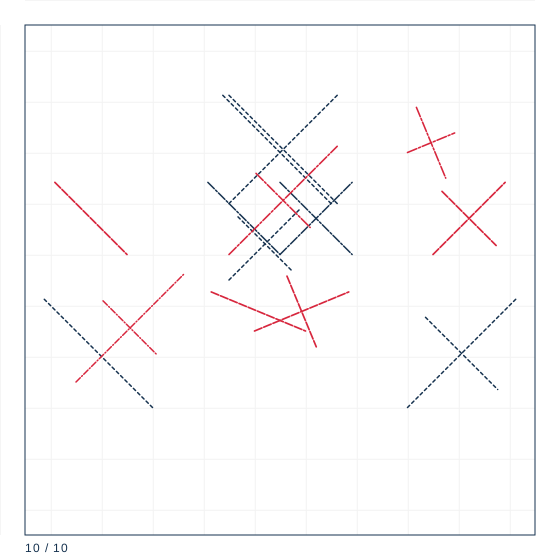
Step 10
Hold the chest with one hand, pull the tail straight down with the other, and adjust the hinge position until both wings beat evenly.
The hinge, and why it differs from the crane
In a crane the wings are folded down against the body and creased flat. Here steps 8 and 9 fold them down but leave the crease open by about 15 degrees, so they can rotate. That single difference is what makes the model move, and it also makes it fragile: the hinge is one layer thick and will tear after roughly 500 pulls.
Tuning the beat
The wingbeat is governed by how far the tail is pulled. Pull it 2 cm and the wings swing about 25 degrees; pull 4 cm and they swing 60 degrees, but the body starts to twist. The smoothest action comes from holding the chest, not the neck, and pulling the tail straight down rather than at an angle.
Balance
A flapping bird that has been tuned well will hold its balance on a fingertip under the chest. If it tips forward, the wings were mounted too far forward; shift the hinge back by re-creasing about 3 mm further from the tip. Folded from 70 gsm paper an 18 cm bird weighs 2.4 g, and the wing beat is fast enough to be visible at arm's length.
Paper specification
| Sheet size | 18 cm |
|---|---|
| Sheet ratio | 1:1 |
| Paper weight | 70 gsm |
| steps | 10 |
| Difficulty | ★★★★☆ |
| Base | flapping-crane |
18 cm square at 70 gsm. The wings have to be light enough to swing; 100 gsm paper works but you have to pull harder and the tail tears sooner.
Crease symbol quick reference
| Crease notation used | count | first move |
|---|---|---|
| Mountain fold | 2 | Locate the line on the diagram; confirm the direction by looking at the adjacent valley folds. |
| Valley fold | 3 | Bring the edge or corner exactly to its target point and hold it there. |
| Reverse fold | 2 | Open the point along its existing crease, all the way to the base. |
| Inside reverse fold | 2 | Open the point along its existing crease until it lies flat in the opposite direction. |
| Petal fold | 1 | Fold the cross crease where the new point will begin, then unfold it. |
What goes wrong
The wings will not move
The hinge was creased flat in step 8. Unfold it, re-open to 15 degrees and work it loose.
One wing beats more than the other
The hinges are at different distances from the wing tips. Re-crease both to the same measurement.
Making it hold
- Leave the wing hinge 15 degrees open; creasing it flat kills the movement.
- Hold the chest, not the neck — the neck is a single layer and tears.
- Pull the tail straight down; an angled pull twists the body.