★☆☆☆☆ Starter folds · 7 steps
Blintz Coin Purse
Published · By The Origami Desk
Four corners folded to the centre, then opened back out — the crease set left behind turns a square into a shallow dish that snaps shut on its own when you squeeze the ends.
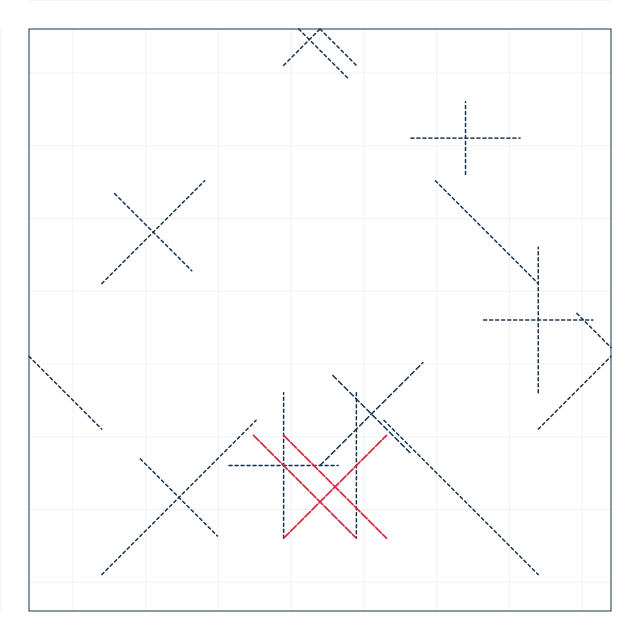
finished crease pattern
Fold sequence
7 / 7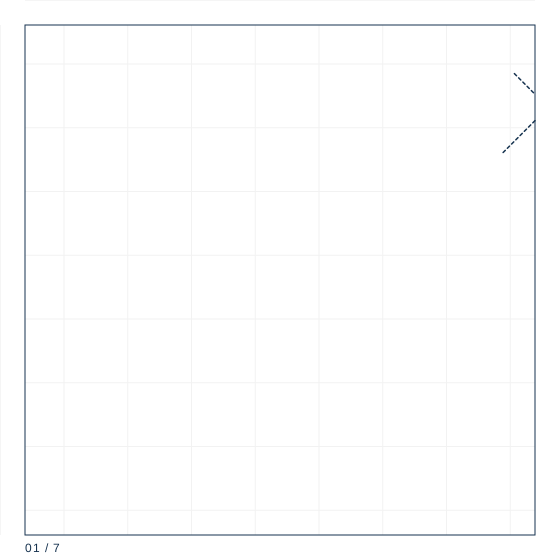
Step 1
Square 15 cm, white side up. Fold corner to corner both ways and unfold — you need the X, and you need to see it.
Step 2
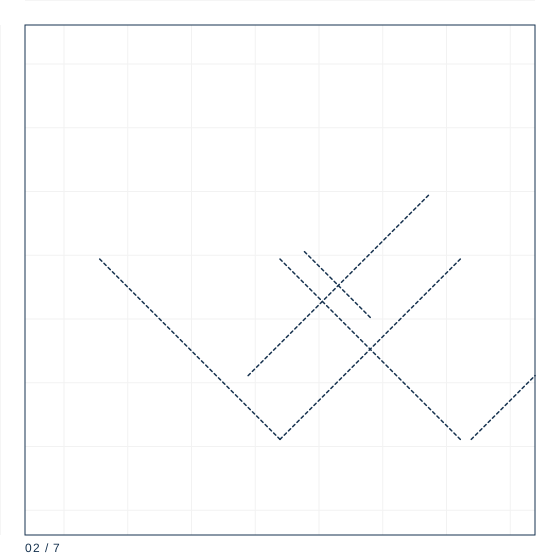
Fold all four corners to the centre point. This is the blintz. Crease, then unfold all four.
Step 3
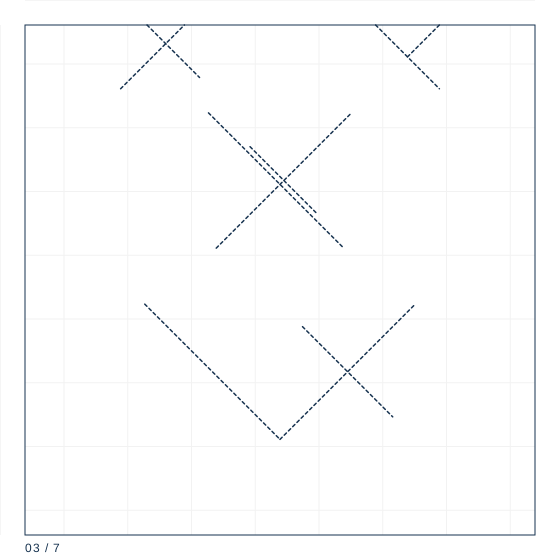
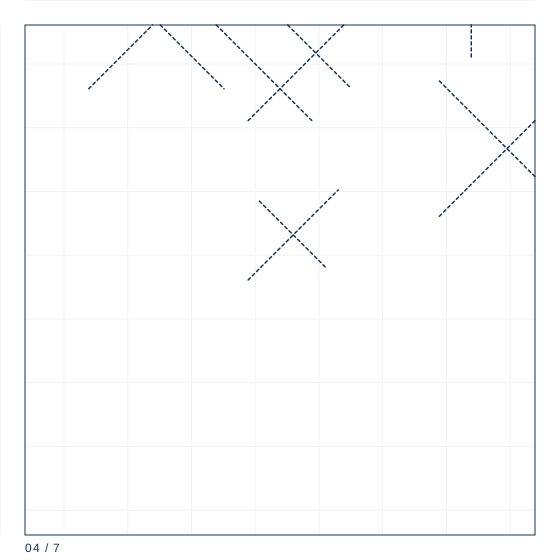
Fold each corner again, this time only to the point where the blintz crease crosses the diagonal, roughly the quarter mark.
Step 4
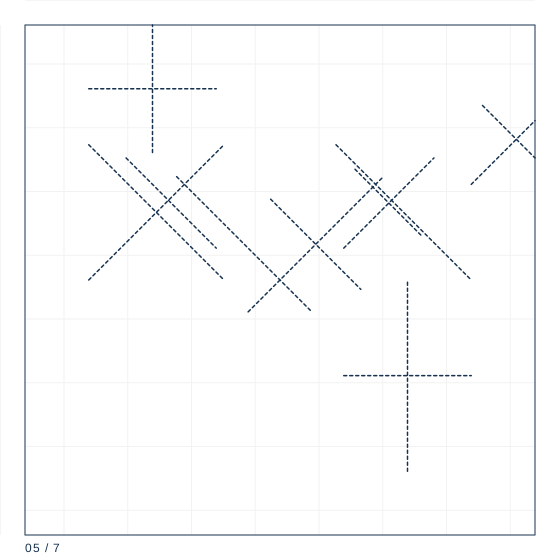
Fold the top and bottom edges to the centre line and unfold. Then do the same with the left and right edges.
Step 5
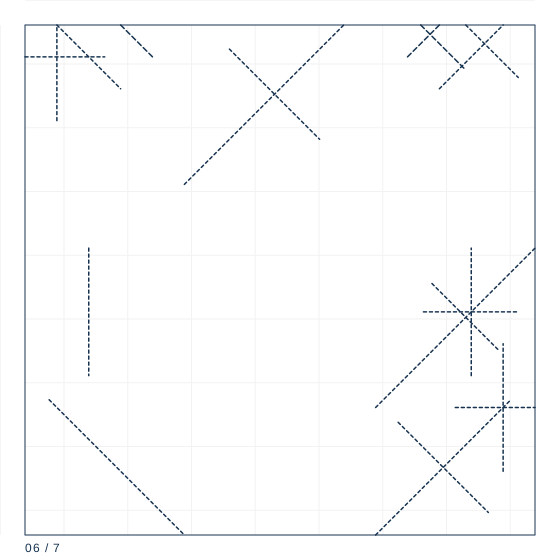
Collapse the sheet along the creases you have just made: the four small corner triangles tuck under while the sides rise. Flatten the result into a square dish.
Step 6
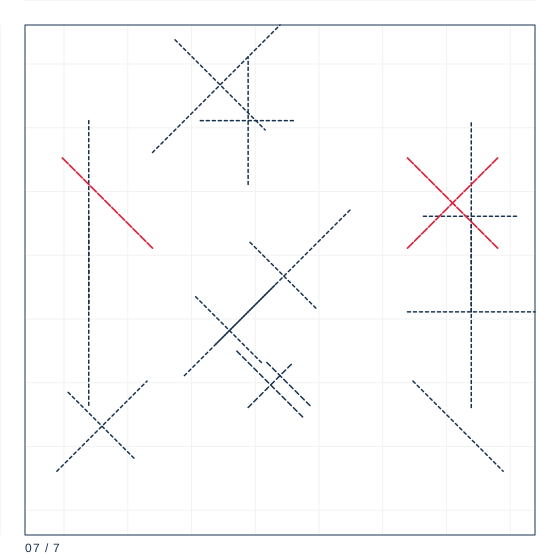
Fold the two short ends of the dish inward by about 1.5 cm, crease, then unfold and reverse the creases into mountain folds.
Step 7
Squeeze the two short ends toward each other. The mouth closes; let go and it springs open. That is the whole purse.
The blintz and the second blintz
The first four folds are a plain blintz: each corner to the exact centre. Unfold all four and you are left with a pinwheel of eight creases. Fold the corners in again but only to the new quarter-line intersections, and the resulting square is a quarter of the original area with a very different crease map. That second square is what becomes the dish.
Sizing it to a real coin
From a 15 cm square the finished purse is 7.9 cm wide and 7.9 cm deep, with a mouth opening of about 5.4 cm. That comfortably takes a 100-yuan note folded in half, or about forty 1-yuan coins (each 6.1 g, 25 mm diameter) before the walls start to bow.
Why it clicks shut
The lock is a pair of pre-creased mountain folds running across the short ends of the dish. Squeeze those ends between thumb and forefinger and the mouth flattens; release and the paper's own spring reopens it. A purse folded from paper that has already been blintzed once and flattened before the second folding will click for around two hundred open-close cycles.
Paper specification
| Sheet size | 15 cm |
|---|---|
| Sheet ratio | 1:1 |
| Paper weight | 90 gsm |
| steps | 7 |
| Difficulty | ★☆☆☆☆ |
| Base | blintz |
15 cm square, 90 gsm. The purse is folded twice as thick as the original sheet, so thin paper looks flimsy and thick paper will not close.
Crease symbol quick reference
| Crease notation used | count | first move |
|---|---|---|
| Mountain fold | 1 | Locate the line on the diagram; confirm the direction by looking at the adjacent valley folds. |
| Valley fold | 7 | Bring the edge or corner exactly to its target point and hold it there. |
| Squash fold | 1 |
What goes wrong
The purse will not close
The step 6 creases were made as valleys instead of mountains. Unfold, flip the paper, and refold them the other way.
The bottom splits open
90 gsm paper folded to eight layers. Use 90 gsm maximum, or go up to 18 cm square to keep the same proportion.
Making it hold
- Use the flat of your nail, not the tip, so you do not cut the fibres at the corner intersections.
- Press the centre point down before unfolding the blintz; the pinwheel must be crisp.
- The dish sides bow outward on purpose. Do not try to straighten them.